

People rarely understand something big through one explanation. They learn through examples. They remember a lesson because someone told a story. They change their mind after hearing a different point of view. That is the simple idea behind your topics | multiple stories.
You can treat this phrase as a writing method, a learning method, and even a way to make sense of the world online. Instead of forcing one topic into one “perfect” post, you explore it through several smaller stories that each feel clear and complete. On BitsyBiz, this approach fits well because it helps readers find the angle that matches their needs without feeling lost.
In this article, you will learn what your topics multiple stories means, why it works, where people use it, and how you can apply it without repeating yourself.
Understanding the Concept of Your Topics Multiple Stories
At its core, your topics multiple stories means this: one topic can hold more than one useful story.
A topic is the subject. A story is the angle you choose to explain it. That story can be a real-life example, a step-by-step guide, a mistake to avoid, or a comparison between two options. The key is that each story adds something new.
One topic does not equal one message
Think about the topic “healthy eating.” One person wants quick meals. Another person wants a budget plan. Someone else wants to understand labels at the grocery store. If you write one post that tries to handle all of that at once, the writing gets messy. If you write multiple stories, each post stays focused.
This is not the same as repeating yourself
Some people worry that “multiple stories” sounds like saying the same thing again and again. It is not. A strong multi-story approach changes one of these elements each time:
- The audience (beginners vs experienced readers)
- The format (checklist vs narrative vs tutorial)
- The goal (learn basics vs solve a problem vs choose between options)
- The point of view (student, coach, customer, parent)
When you change the angle, you add value instead of noise.
Why Your Topics Multiple Stories Matters in Content Creation
The internet moves fast. People scan. They click away quickly when a page feels unclear. A multi-story approach helps because it breaks a big idea into smaller pieces that match real questions.
It matches how people search
Most searches are not broad. People type specific questions like:
- “How do I start”
- “What does it mean”
- “Which is better”
- “What are the mistakes”
When you build content around your topics | multiple stories, you naturally answer more of those questions with less filler.
It keeps readers engaged without feeling heavy
A long page can still feel easy if it stays organized. Multiple stories create natural stopping points. Readers can move from one section to the next without losing the thread.
It supports on-page SEO in a clean way
Search engines look for helpful structure. Clear headings. Useful sections. Related terms that appear naturally. You do not need to force keywords. You can use the primary phrase where it fits and let the rest come through in normal language.
Your Topics Multiple Stories in Education and Learning
Education works best when students connect ideas. Stories help people connect because they show how something works in real life.
A single lesson can feel abstract. Multiple stories make it concrete.
Why multi-story learning improves understanding
When teachers explain a topic in more than one way, students get more entry points. One student learns through a definition. Another learns through a real example. Someone else learns through a mistake and correction.
Here is a simple comparison.
| Learning Element | Single Explanation Approach | Your Topics Multiple Stories Approach |
|---|---|---|
| Engagement | Low because it feels passive | Higher because it feels personal |
| Understanding | One angle only | Several angles that support each other |
| Memory | Short-term recall | Better long-term recall |
| Confidence | “I do not get it” happens more | More chances to “click” |
A practical example in learning
If a student studies “goal setting,” one story can explain how to write a goal. Another story can show a failed goal and why it failed. A third story can show how a small daily habit changes outcomes. Same topic. More clarity.
Digital Media and the Rise of Multi-Story Content
Digital platforms reward content that holds attention. That does not mean you need tricks. It means you need a structure people want to follow.
Multiple formats make one topic feel fresh
One topic can become:
- A beginner guide
- A personal experience
- A list of mistakes
- A checklist
- A short Q&A post
- A myth vs fact breakdown
When you treat one topic as a set of stories, you serve different reader moods. Some people want quick answers. Others want depth.
Two solid ways creators use this method
You can apply your topics multiple stories with either of these options.
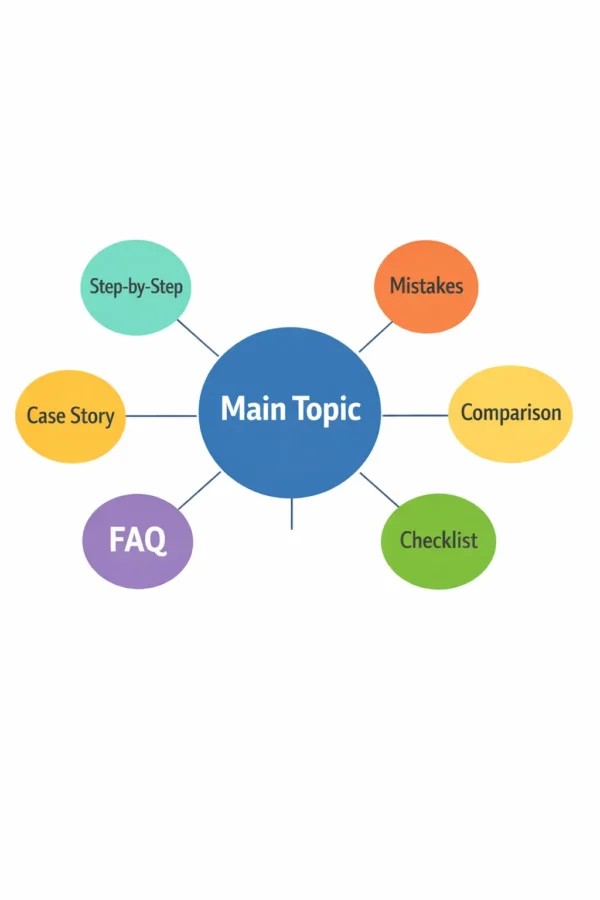
Option 1: A hub page with supporting posts
You write one main guide that covers the full topic. Then you publish smaller posts that go deeper into one part and link back to the hub.
Option 2: A simple series
You publish Part 1, Part 2, and Part 3. Each post handles one angle. Each post links to the next.
Both work. The better choice depends on how your audience reads. If your readers like full guides, use a hub. If your readers like quick focused posts, use a series.
The Role of Multiple Stories in Branding and Communication
Even if you never call it “branding,” people still form opinions based on what they see and read. Clear stories build trust. Confusing messages break trust.
Multi-story content helps because it shows depth without sounding forced.
Why one message rarely reaches everyone
One person wants facts. Another wants a real example. Another wants a simple summary. One story cannot do all of that well. Multiple stories can.
Here is another simple comparison.
| Communication Need | Single Story Model | Multiple Stories Model |
|---|---|---|
| Reaching different readers | Limited | Broader because angles change |
| Trust | Slow because it feels one-sided | Stronger because it shows context |
| Clarity | Can feel vague | Clear because each story has one job |
| Flexibility | Hard to update | Easy to add new angles over time |
Your Topics Multiple Stories and Athletic Performance
Sports training gives a clear example of why one story is never enough. Performance depends on many connected factors. Training matters. Recovery matters. Mindset matters. Sleep and nutrition matter.
When athletes treat improvement as one single story, they often miss what causes real progress.
How multi-story thinking helps athletes and coaches
A coach can teach “improving speed” through multiple stories:
- A training plan story (what workouts to do)
- A recovery story (how rest affects speed)
- A technique story (how form changes results)
- A mindset story (how pressure affects effort)
Each story adds a layer. Together, they explain the full picture. This is why people often link the idea of layered storytelling to elite athletic performance. The best results usually come from connected habits, not one magic fix.
The Psychological Impact of Multiple Stories
People remember stories because stories create meaning. Facts alone can feel cold. Stories give facts a place to land.
Why stories stick
Stories do three important things:
- They create emotion, even mild emotion
- They give a clear sequence, so the brain can follow
- They show cause and effect, which helps memory
When you offer multiple stories on one topic, you increase the chance that at least one story matches the reader’s life. That match builds trust and keeps attention.
How to Apply Your Topics | Multiple Stories in a Real Content Plan
You do not need a complicated system. You need a repeatable one.

Step 1: Choose a topic you can explain in one sentence
If you cannot explain it in one sentence, narrow it.
Good: “How to build a morning routine”
Too wide: “Self improvement”
Step 2: List the top questions people ask
Use simple questions:
- What is it
- How do I start
- What mistakes happen
- What tools do I need
- How long does it take
- How much does it cost
Step 3: Turn questions into story angles
Here are story angles that work well for BitsyBiz style posts:
- Step-by-step guide
- Common mistakes and fixes
- Two options compared
- A short real example
- A checklist readers can use today
Step 4: Link the stories together
Do not leave each post alone. Add links like:
- “If you are new, start here”
- “If you want the faster option, read this”
- “If you keep getting stuck, check these mistakes”
That is how your topics multiple stories becomes a helpful path instead of a random pile of posts.
Common Mistakes to Avoid
Multi-story content works best when it stays clean and focused.
Mistake 1: Writing five posts that all say the same thing
If every post repeats the same tips, readers stop trusting the series. Give each post one clear purpose.
Mistake 2: Trying to cover everything in one post anyway
The point is focus. If a section gets too large, it probably deserves its own story.
Mistake 3: Using keywords in a forced way
Use your topics | multiple stories where it fits naturally. Do not drop it into every paragraph. Clear writing ranks better than awkward writing.
Mistake 4: Forgetting the reader’s level
A beginner guide should stay beginner. If you add advanced details, label them clearly or link to an advanced post.
Future Potential of Your Topics Multiple Stories
As platforms change, people still want the same thing: content that feels human and useful. Multi-story approaches will likely grow because they adapt well.
You can expand a topic into:
- Text posts
- Short videos
- Audio explanations
- Interactive checklists
- Personal examples from readers
The format can change. The core idea stays the same: one topic, many stories, each one adding clarity.
Conclusion
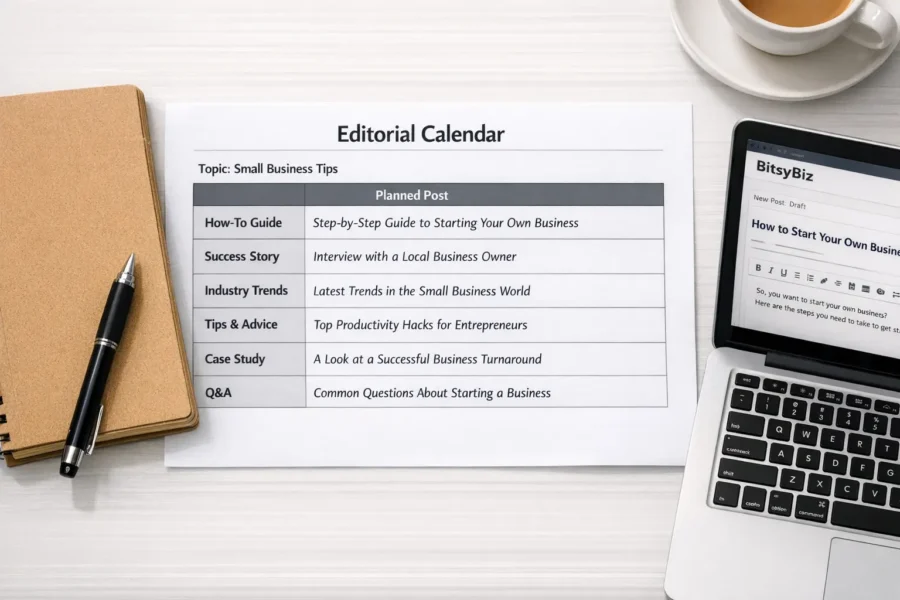
Your topics | multiple stories works because it matches real life. People learn through different angles. They make decisions after hearing more than one point of view. They remember lessons that feel personal.
If you want to build content that stays clear and useful, start small. Pick one topic. Write two stories about it. Make one a step-by-step guide. Make the other a list of mistakes to avoid. Link them together. Then keep going.
BitsyBiz readers do not need perfect writing. They need writing that helps. Multiple stories help you deliver that without burning out or repeating yourself.
FAQs
What does your topics | multiple stories mean?
It means exploring one topic through several focused stories or angles so readers understand it more clearly.
Is your topics multiple stories a writing strategy or a learning strategy?
It can be both, because it helps writers structure content and helps readers learn through different examples.
How many stories should I create for one topic?
Start with 3 to 5 stories so you cover key questions without stretching the topic too thin.
Does this approach help SEO?
Yes, it can help because you answer more related questions and build stronger internal links between posts.
How do I avoid repeating myself across multiple stories?
Give each post one main question to answer and link to other posts instead of re-explaining everything.
Should I publish a hub page or a series?
Both work. Use a hub if you want one main guide, use a series if your readers prefer shorter focused posts.
Can I use this method outside blogging?
Yes, teachers, coaches, and teams use it in lessons, training plans, and presentations because it improves clarity.
What is the fastest way to start today?
Pick one topic, write a beginner guide, then write one follow-up post about mistakes or two options, and link them together.