

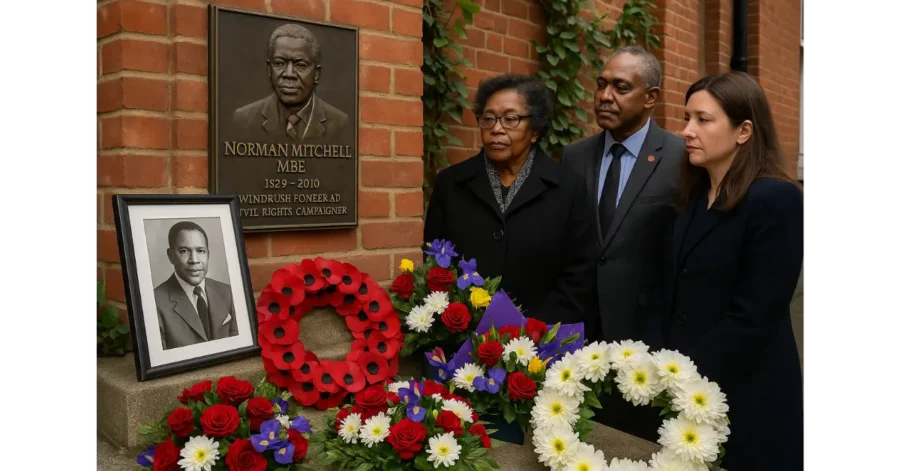
Tributes Paid to Windrush Hero Norman Mitchell MBE
The recent passing of Norman Mitchell MBE, one of the last surviving members of the Windrush Generation, has drawn heartfelt tributes from across the UK, especially from the Jamaican community and wider families in Brent and beyond. A Windrush trailblazer, community leader, and the founder of the West Indian Senior Citizen Organisation (WISCO), Norman Mitchell lived to the remarkable age of 103, dedicating his life to fostering unity, representation, and support for Caribbean migrants and their descendants.
As the country reflects on the profound contributions of the Windrush Generation to British society, the loss of Norman Mitchell marks not only the end of a personal chapter but a symbolic moment in the ongoing conversation to honor and uphold the Windrush legacy. This article pays tribute to Norman Mitchell’s extraordinary life, his activism, and the lasting impact he made, while also contextualizing his story within the broader narrative of the Windrush Generation and their struggle for justice and recognition.
The Life and Legacy of Norman Mitchell MBE
Early Life and Migration Journey
Born in Jamaica in the early 1920s, Norman Mitchell was part of the wave of Caribbean migrants who traveled to the UK aboard the HMT Empire Windrush in 1948. Like countless others, he arrived with hopes of building a new life, contributing to the post-war rebuilding efforts and playing a pivotal role in shaping modern British society.
Despite facing challenges and discrimination, Norman Mitchell remained steadfast in his commitment to community upliftment. His personal experience mirrored that of many Windrush pioneers who navigated cultural adaptation while holding onto their Caribbean heritage.
Leadership and Founding of WISCO
One of Norman Mitchell’s most notable achievements was founding the West Indian Senior Citizen Organisation (WISCO), a vital institution dedicated to empowering older members of the Caribbean diaspora in the UK. Through WISCO, he championed social inclusion, health awareness, and opportunities for cultural celebration—ensuring that elderly Windrush migrants never felt isolated or forgotten.
Known as a Brent community icon, Norman’s leadership extended beyond WISCO as he collaborated with local organizations, policymakers, and activists to improve the quality of life for Caribbean seniors and champions their voices in social debates.
Recognitions and Honors
In recognition of his tireless service, Norman Mitchell was awarded the MBE (Member of the Order of the British Empire), highlighting his influence as a Jamaican community leader and his role preserving the dignity and rights of the Windrush Generation. His legacy as a trailblazer extends not only through his activism but also through his role as an intergenerational figure connecting the past with future generations.
Norman Mitchell’s Passing and Funeral
Norman Mitchell passed away peacefully at the age of 103, a milestone that few from the original Windrush cohort have reached. His funeral was a poignant gathering reflecting the respect and admiration he earned over decades, attended by family, community members, and representatives from organizations dedicated to Windrush causes.
The service included reflections on his life’s work, stories from those whose lives he touched, and statements acknowledging the continuing importance of honoring Windrush generation tribute efforts.
Dawn Butler’s Tribute to Norman Mitchell MBE
Dawn Butler, a prominent advocate for the Windrush Generation and Shadow Secretary of State for Women and Equalities, offered moving remarks in remembrance of Norman Mitchell. In her tribute, she underscored the importance of remembering and celebrating the contributions of Windrush pioneers like Norman, who faced systemic adversity yet helped build the community foundations cherished today.
Butler framed Norman Mitchell as a “living testament” to the vibrant legacy of the Windrush Generation and urged continued action to address the injustices exposed by the Windrush scandal.
Understanding the Broader Windrush Context
The Windrush Generation and Their Challenges
The Windrush Generation refers to the Caribbean migrants invited to the UK between 1948 and 1971 to fill labor shortages. Although they contributed massively to British society, they have faced systemic issues including discrimination, cultural marginalization, and the infamous Windrush scandal where many were wrongly detained or denied legal rights due to documentation issues.
Norman Mitchell’s life is emblematic of the resilience and quiet strength shown by these pioneers in building a life amidst adversity.
The Windrush Scandal and Its Impact
The Windrush scandal revealed failures in government policy that caused distress and injustices for thousands of Windrush migrants and their families. Public awareness of these issues has prompted efforts to ensure reparations, official apologies, and preservation of the Windrush memory.
Norman Mitchell’s story plays a significant role in these narratives, highlighting both the personal and communal dimensions of this history.
The Legacy and Ongoing Tribute Work
Numerous organizations, including WISCO, continue to honor the Windrush legacy through education, advocacy, and community support. Norman Mitchell’s contributions have inspired many within the Jamaican community and across the UK’s Black diaspora to celebrate their heritage and push for social justice and recognition.
Why Norman Mitchell MBE’s Story Matters Today
- Inspiration Across Generations: Norman’s long life and activism welcome younger generations to learn about their history and embrace cultural pride.
- Community Leadership: His work with WISCO sets a powerful example of grassroots organizing to meet specific community needs.
- Resilience in Face of Adversity: His story reflects how individual and collective perseverance can overcome systemic barriers.
Two Perspectives on Honoring Windrush Heroes Like Norman Mitchell
Perspective 1: Celebrating Historical Contributions
Many emphasize the importance of celebrating Norman Mitchell’s contributions as a model of dedication, resilience, and leadership. His MBE and community impact demonstrate how ordinary individuals can become extraordinary cultural custodians.
Perspective 2: The Need for Continued Social Justice
Others point to Norman Mitchell’s story as a reminder that the struggles of the Windrush Generation are not just history but ongoing realities. Honoring his legacy means continuing to fight for policies that support Caribbean migrants and counter systemic racism.
Conclusion
The passing of Norman Mitchell MBE, at 103 years old, marks both a moment of mourning and celebration for the Windrush Generation. As a Windrush trailblazer, founder of WISCO, and Brent community icon, his life’s work captured the spirit of a generation that helped shape modern Britain.
The heartfelt Windrush generation tribute paid to Norman Mitchell underscores the importance of recognizing and preserving the stories of those who paved the way, especially as the nation grapples with the repercussions of the Windrush scandal and seeks to honor the enduring Windrush legacy.
For communities across the UK and especially within the Jamaican community, Norman Mitchell’s legacy will continue to inspire advocacy, unity, and pride for generations to come. His story is a beacon of hope, resilience, and the power of dedicated community leadership in the face of historic challenges.